
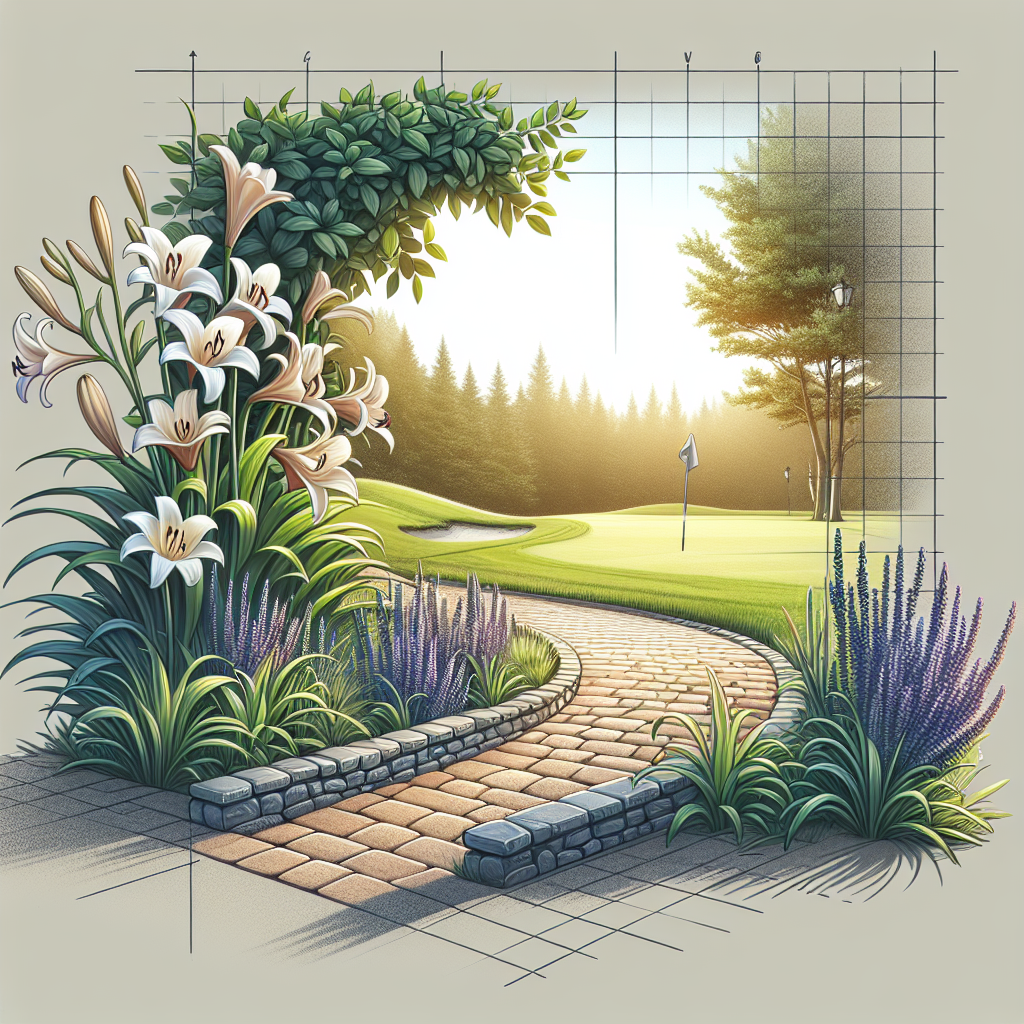
When creating a stunning landscape for your home, the right plants can significantly enhance the look of your walkway pavers. In World Golf Village, where the climate and soil conditions are favorable for a variety of flora, selecting the best plants to pair with your sidewalk pavers can transform your outdoor space into a beautiful oasis. The key is to choose plants that complement the pavers while thriving in the local environment.
Choosing the Right Plants for Your Walkway Landscaping in World Golf Village
The beauty of walkway landscaping in World Golf Village lies in its ability to blend nature with architectural elements. Sidewalk pavers are often used to provide a practical yet attractive path, and the right plant pairings can further enhance this effect. Here are some considerations and plant options to help you make the best choice.
Considerations for Plant Selection
Before diving into specific plant recommendations, it’s essential to consider a few factors:
1. **Sunlight Exposure**: Assess how much sunlight your walkway receives. Some plants thrive in full sun, while others prefer partial or full shade.
2. **Soil Type**: Test your soil to understand its drainage and nutrient levels. This will help you choose plants that will flourish in your specific conditions.
3. **Plant Size**: Consider the mature size of the plants. You want to select varieties that won’t overwhelm the walkway or obstruct its function.
4. **Maintenance**: Some plants require more care than others. If you prefer low-maintenance landscaping, choose hardy varieties that withstand drought and pests.
Best Plants to Pair with Walkway Pavers
With these considerations in mind, let’s explore some of the best plants to pair with your World Golf Village pavers. These selections will not only beautify your pathway but will also thrive in the local climate.
Ornamental Grasses
Ornamental grasses are a fantastic choice for adding texture and movement to your walkway landscaping. Varieties like **Muhlenbergia capillaris** (Pink Muhly Grass) and **Pennisetum alopecuroides** (Fountain Grass) create a soft, flowing look that contrasts beautifully with the hard surface of sidewalk pavers. They are drought-tolerant and require minimal maintenance, making them ideal for busy homeowners.
Flowering Perennials
Adding flowering perennials can bring vibrant color and seasonal interest. **Echinacea purpurea** (Coneflower) and **Rudbeckia hirta** (Black-eyed Susan) are excellent choices for a sunny walkway. These robust flowers attract pollinators and can thrive in various soil conditions. Their upright growth habits allow them to fit perfectly alongside pavers without obstructing the pathway.
Ground Covers
If you prefer a lush, green appearance, consider ground covers. Plants like **Thymus serpyllum** (Creeping Thyme) and **Ajuga reptans** (Bugleweed) can fill in gaps between pavers while providing a fresh, aromatic touch. These low-growing varieties are resilient and can handle foot traffic, making them perfect for walkway landscaping in World Golf Village.
Succulents and Cacti
For a unique twist, you might opt for succulents and cacti. These plants are not only trendy but also incredibly low-maintenance. **Sedum** and **Agave** species can thrive in the sunny, warm climate of World Golf Village. When placed strategically next to walkway pavers, they create an eye-catching, modern aesthetic.
Incorporating Color into Your Walkway Landscaping
Color plays a crucial role in landscape design. To create a visually appealing walkway, consider incorporating plants that offer a variety of hues. Pair **Lavandula angustifolia** (English Lavender) for its beautiful purple blooms and aroma with the sunny yellow of **Coreopsis** (Tickseed). This combination not only adds color but also creates a sensory experience for anyone walking along your path.
Seasonal Blooms
To ensure your walkway remains attractive throughout the year, think about including plants with different blooming seasons. Early bloomers like **Crocus** can herald the spring, while **Asters** can keep the color going into the fall. By layering plants with varying bloom times, you can maintain visual interest all year long.
Creating a Cohesive Look with Hardscaping
Remember, the key to successful walkway landscaping is to create a cohesive look between your plants and the hardscaping elements. World Golf Village pavers come in various styles and colors, so choose plants that complement the paver design. For instance, if you have rustic, earthy-toned pavers, consider plants with soft foliage and muted flowers to enhance that natural look.
Using Edging Plants
Edging plants can also help define the walkway and create a polished appearance. **Liriope muscari** (Lilyturf) works well as a border plant, providing a neat edge while adding a pop of green. The dark green foliage and purple flower spikes can beautifully frame your walkway, enhancing the overall design.
Maintenance Tips for Your Walkway Landscaping
Once you’ve selected your plants, maintaining them will ensure they thrive alongside your sidewalk pavers. Here are some tips for keeping your landscape in top shape:
1. **Regular Watering**: Newly planted areas may require more frequent watering until the plants establish roots. After that, adjust your watering based on rainfall and plant needs.
2. **Mulching**: Apply mulch around your plants to help retain moisture and suppress weeds. This is particularly important for plants that thrive in drier conditions.
3. **Pruning**: Regularly prune your plants to encourage healthy growth and remove any dead or diseased foliage. This can also help maintain the desired shape and size.
4. **Soil Care**: Consider testing your soil every few years and amend it as needed to provide essential nutrients for your plants.
In conclusion, the right plants can significantly elevate the aesthetics of your walkway landscaping in World Golf Village. By choosing a variety of ornamental grasses, flowering perennials, ground covers, and unique succulents, you can create a stunning landscape that enhances the beauty of your sidewalk pavers. Keep in mind the importance of color, seasonal interest, and maintenance to ensure your landscape remains an inviting and enjoyable space for years to come.