
Choosing between pavers vs concrete in Green Cove Springs comes down to more than the price per square foot. Plenty of homes here sit on older lots with mature trees and original concrete that has finally reached the end of its life, and the decision you make now is one you will live with for decades. This guide compares both options the way we walk homeowners through it at estimates: upfront cost, how each handles Clay County ground, what repairs look like years from now, and what buyers notice when you sell.
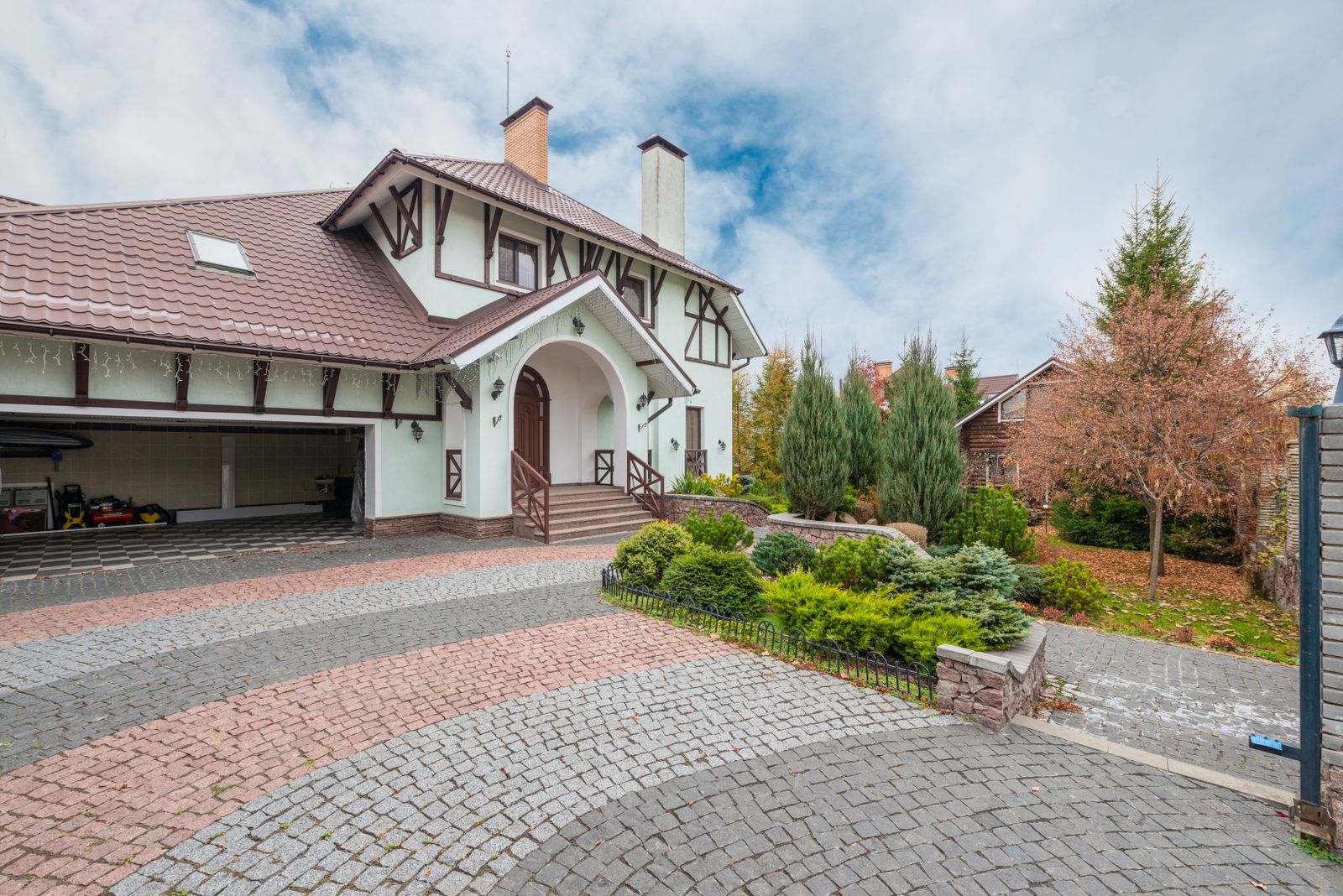
Upfront Cost vs the Long Game
Poured concrete wins the initial bid almost every time. A plain gray slab is the least expensive way to get a new driveway down, and for a straightforward lot with good drainage it is a respectable choice. A paver driveway costs more up front, since you are paying for the units plus more labor in base preparation and laying.
The long game narrows that gap. Concrete’s price advantage assumes it never needs anything beyond cleaning, and in North Florida that is optimistic. Pavers can be repaired piece by piece indefinitely, which is why we tell people to compare twenty-year costs, not just the bids.
How Each Handles Clay County Ground
Green Cove Springs sits on sandy soil that drains fast but shifts easily. Neither material survives a sloppy base. For concrete, that means a compacted subgrade, correct thickness, and expansion joints spaced and cut properly so the slab cracks where it is designed to. Heavy summer rain is the real enemy: drainage washout undermining a slab edge causes more failures here than anything the material itself does wrong.
Pavers handle that same ground differently. The system is flexible, so minor movement in the sand below shows up as a low spot you can re-level rather than a crack you cannot close. Joints filled with polymeric sand shed water while resisting washout, and a properly compacted base keeps the field tight through every wet season. On older properties with big oaks, that flexibility also matters around roots: a paver driveway installation can be lifted and adjusted where roots push up, while a slab just breaks.
The Humidity Factor
Neither surface freezes here, but both live in year-round humidity. Concrete holds mildew stains in shade. Pavers can show efflorescence, a temporary white haze, when new. Both do best on a wash-and-reseal rhythm every 2-3 years, so call maintenance a tie.
Repairs: The Biggest Practical Difference
When a slab cracks or settles, your choices are living with it, a visible patch, or repouring a section that will never match. When a paver area settles or a utility line needs trenching, the same pavers come up, the base gets fixed, and the same pavers go back down with no scar. On older Green Cove Springs properties, where root growth, aging sewer lines, or future additions are realistic, that repairability is worth real money.
Curb Appeal and Resale on Older Streets
Concrete reads as standard. Brick pavers read as an upgrade, and appraisers and buyers respond to that, especially on established streets where a crisp new drive stands out against weathered slabs next door. Decorative concrete finishes split the difference: stamping and integral color dress up a slab but still crack like any slab. If you are weighing decorative concrete against pavers at similar money, we usually steer toward pavers for the repairability alone, and we say that as a company that pours plenty of custom concrete.
Choosing Your Driveway Surface: A Quick Checklist
- ✔ Tight budget, simple flat lot, no big trees: concrete makes sense
- ✔ Mature oaks or roots near the drive: pavers
- ✔ Planning to sell within a few years: pavers for curb appeal
- ✔ Older utilities that may need trenching: pavers
- ✔ Either choice: compacted base and real drainage planning
- ✔ Either choice: reseal every 2-3 years to protect the surface
Run your lot through those six lines and the right answer usually announces itself.
Frequently Asked Questions
Are pavers or concrete cheaper for a Green Cove Springs driveway?
Concrete is cheaper to install, often significantly. Pavers cost more up front but repair invisibly and rarely need wholesale replacement, so their twenty-year cost is competitive. If the initial budget rules, choose concrete done right rather than pavers on a cut-rate base.
How long does each driveway surface last in North Florida?
A properly poured concrete driveway typically serves 25-30 years here, though cracks usually appear well before the end. A paver driveway on a compacted base lasts 30-50 years because individual units can be replaced as needed. Base quality determines lifespan more than the material does.
Do driveway pavers shift in sandy soil?
Not when installed correctly. The base is compacted in lifts, edge restraints hold the field, and polymeric sand locks the joints. Sandy soil actually drains well under pavers. Shifting problems almost always trace back to skipped compaction or missing edge restraint, not to the sand itself.
Does concrete crack faster in Florida heat?
All concrete cracks eventually; the question is where. Proper expansion joints, correct thickness, and a compacted subgrade direct cracking into the joints. In Green Cove Springs the bigger risks are drainage washout under slab edges and tree roots, not heat itself, and neither is kind to slabs.
Which driveway adds more resale value?
Pavers generally return more at resale because buyers see them as a premium feature, and on older streets a new paver drive visibly upgrades the whole frontage. A clean new concrete drive still beats a cracked one, but it reads as maintenance rather than improvement.
Can I put pavers over my existing concrete driveway?
Sometimes. If the slab is sound and heights work at the garage and street, thin overlay pavers can go over it. A cracked or settling slab disqualifies the shortcut, because slab movement telegraphs into the pavers. An on-site inspection settles it quickly.
Talk Through Both Options with a Local Contractor
The honest answer to pavers versus concrete depends on your lot, your trees, and your plans, and a good estimate should walk you through all three. SIL Pavers installs both surfaces throughout Green Cove Springs and the rest of Clay County, including Orange Park and Fleming Island. Call for a free on-site estimate and a straight recommendation, whichever material that turns out to be.