
If you are wondering how often to seal pavers on Pace Island, the short answer is more often than the bag of sealer suggests. This gated Fleming Island community wraps around the shore of Doctors Lake, and waterfront living is harder on hardscape than most homeowners expect. Sun reflecting off the water, near-constant humidity, irrigation drawn from the lake, and afternoon storms all age a sealed surface faster than the same pavers a mile inland. Here is how to read your pavers, pick the right sealer, and set a schedule that fits a lakefront lot.
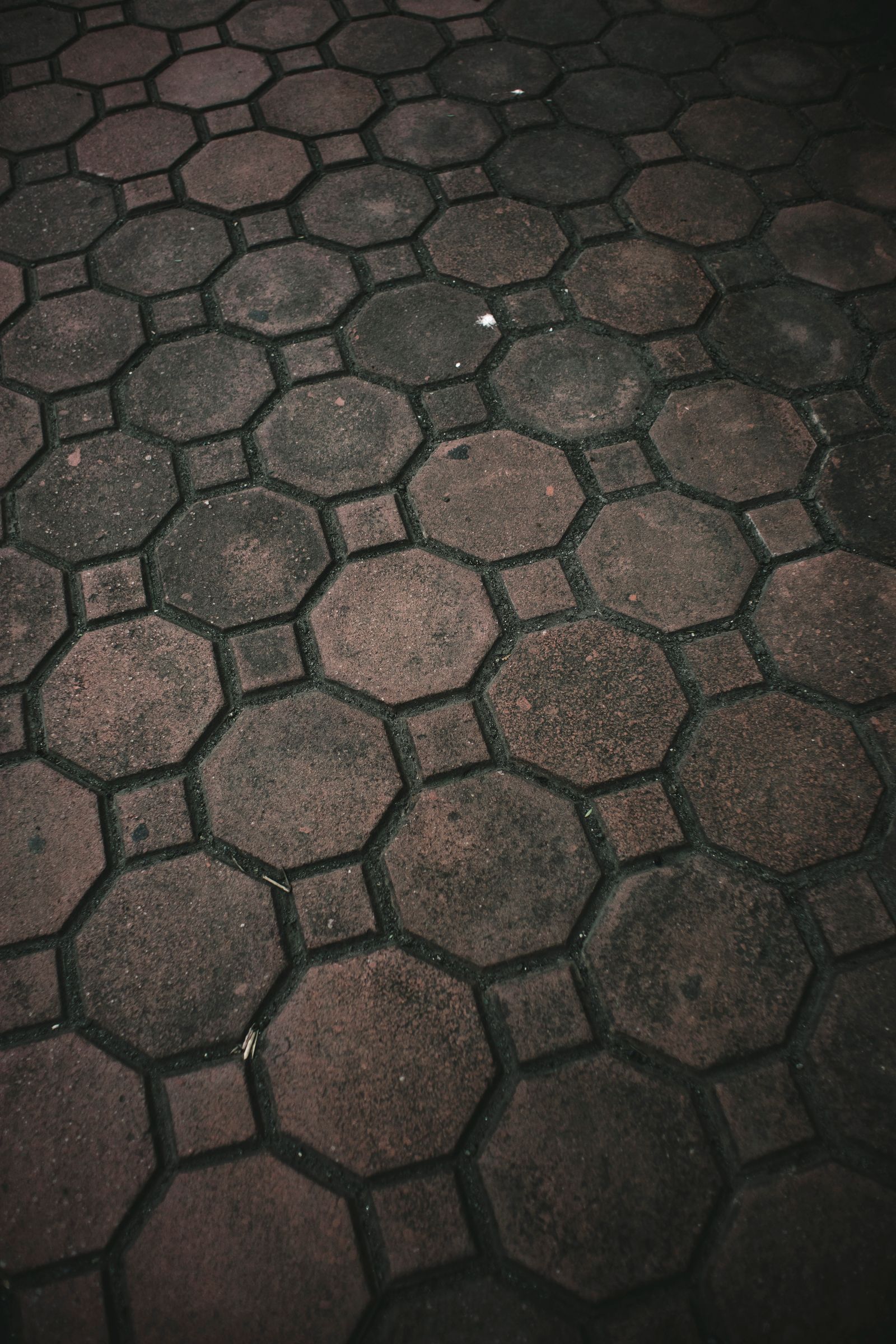
Why Waterfront Pavers Wear Faster
Sealer breaks down from two directions: UV from above and moisture from below. A lakefront lot doubles up on both. Open water reflects extra sunlight onto driveways and pool decks. Humidity off Doctors Lake keeps surfaces damp longer, and moisture moving up through pavers carries minerals with it, which is why waterfront homes see more efflorescence, the white surface haze. Many Pace Island irrigation systems pull from the lake, and that water carries organics that feed mildew and leave deposits. None of this makes pavers the wrong choice on the water; it just gives the protection layer a harder job and a shorter life.
Signs Your Pavers Are Due for Resealing
Your pavers will tell you before the calendar does, usually in this order. First, water stops beading and soaks straight in, darkening the surface. Second, color goes flat even when the pavers are clean. Third, mildew and algae return faster after each cleaning because the porous surface now holds moisture. Fourth, joints start losing polymeric sand in heavy rain, since the sealer that helped bind the joint surface has worn through. If you are seeing the third and fourth signs, you are past due: have the surface professionally cleaned, re-sanded where needed, and resealed before storm season does more damage.
Film-Forming vs Penetrating Sealer on the Lakefront
Film-Forming Sealers
Film-forming products sit on top of the paver, delivering the wet look many homeowners love and strong stain resistance. The tradeoffs matter more on the water: films can turn cloudy or white when moisture gets trapped beneath them, and a lakefront lot has moisture to spare. They can also get slick when wet, a real consideration on pool decks. If you want the gloss, use a breathable film-forming product on a completely dry surface and accept a shorter recoat cycle.
Penetrating Sealers
Penetrating sealers soak into the paver and repel water from within, leaving a natural, low-sheen finish. They cannot cloud because there is no film, they do not change traction, and they tolerate damp lakefront conditions gracefully. For most Pace Island driveways, walkways, and pool surrounds, a penetrating sealer is the lower-risk choice. The compromise is looks: if you want deep color enhancement, ask for an enhancing penetrating formula.
The 2-3 Year Rhythm, with a Waterfront Caveat
Across Northeast Florida we recommend resealing pavers every 2-3 years, paired with a professional cleaning so the sealer goes onto a sound, dry surface. On Pace Island, plan for the early end of that window, and treat two years as the default for surfaces in direct sun off the water or under lake-fed irrigation. A shaded courtyard on the interior of the lot might stretch toward three. Resealing brick pavers on schedule is cheap insurance. Each cycle through a professional pressure washing and sealing service costs a fraction of what restoring neglected, mildew-stained, sand-starved pavers runs.
Your Pace Island Paver Sealing Checklist
- ✔ Water no longer beads on the surface: schedule sealing
- ✔ Color looks faded even when clean: schedule sealing
- ✔ Mildew returns within weeks of cleaning: overdue
- ✔ Joints washing out in storms: re-sand and seal together
- ✔ Lakefront sun or lake-fed irrigation: reseal every 2 years
- ✔ Protected inland-facing areas: every 3 years is fine
Walk your driveway and pool deck with this list each spring and you will never be surprised by a failed surface in August.
Frequently Asked Questions
How often should pavers be sealed on Pace Island?
Every 2-3 years, and lean toward every 2 years for surfaces facing Doctors Lake or hit by lake-fed irrigation. Reflected sun and constant humidity break sealer down faster on waterfront lots. Protected areas on the interior of the lot can usually stretch to the three-year mark.
What is the best sealer for lakefront pavers?
A breathable penetrating sealer is the safest choice near the water. It repels moisture without forming a film that can cloud or turn slick in damp conditions. If you want richer color, use an enhancing penetrating formula rather than a heavy gloss film-forming product.
Why did my paver sealer turn white or cloudy?
Cloudiness usually means moisture was trapped under a film-forming sealer, either because the pavers were sealed damp or because ground moisture pushed up beneath the film. Waterfront lots see this often. Fixing it typically requires stripping or solvent treatment, then resealing with a breathable product.
Does sealing stop efflorescence on waterfront pavers?
Sealing slows it but does not eliminate it, because efflorescence starts with moisture moving up from below. Pavers should be cleaned of existing haze before sealing, and breathable sealers let remaining minerals escape rather than trapping them as a cloudy layer under the finish.
Can I seal my pavers myself?
You can, if the surface is deep-cleaned, fully dry, and you apply thin, even coats of a quality product. Most failures we correct come from sealing damp pavers or overapplying. Given lakefront moisture, many Pace Island homeowners hand the job to a crew that cleans, re-sands, and seals in one visit.
Should joints be re-sanded before every sealing?
Check them every time, refill where low, and expect waterfront joints to need topping up more often. Polymeric sand should sit just below the paver chamfer. Sealing over full, sound joints locks them against storm washout; sealing over empty joints wastes half the benefit.
Keep Your Lakefront Pavers Protected
Sealing on the right schedule is the cheapest thing you will ever do for your hardscape. SIL Pavers cleans, re-sands, and seals driveways, walkways, and pool decks throughout Pace Island and the rest of Clay County, including Fleming Island Plantation and Orange Park. Call for a free assessment and we will tell you honestly whether your pavers need sealing this season or can wait another year.